Hi there.
I’m a science editor and occasional writer at the New York Times. I’m also an adjunct professor at NYU’s school of journalism.
Before that, I was the deputy editor-in-chief at BuzzFeed News and its founding science editor. And before that, I was a freelance reporter specializing in genetics and neuroscience.
Photo by Brian Friedman
Editing: Health Care Investigations
-
![]()
Inside the Booming Business of 'Tongue-Tie' Releases for Babies
Dentists and lactation consultants around the country are pushing “tongue-tie releases” on new mothers struggling to breastfeed.
-
![]()
A Famed Hospital Churns Patients Through Weight-Loss Surgery
New York’s Bellevue Hospital performs thousands of the lucrative surgeries a year, even on Rikers Island prisoners and other inappropriate patients.
-
![]()
They Lost Their Legs. Doctors and Health Care Giants Profited.
Medical device makers have bankrolled a cottage industry of doctors and clinics that perform artery-clearing procedures that can lead to amputations.
-
![]()
How a Lucrative Surgery Took Off Online and Disfigured Patients
More surgeons are opting for a complicated hernia repair that they learned from videos on social media showing shoddy techniques.
-
![]()
‘Major Trustee, Please Prioritize’: How NYU’s E.R. Favors the Rich
Doctors said the nonprofit hospital pressured them to give preferential treatment to donors, trustees, politicians, and their friends and families.
-
![]()
How a Hospital Chain Used a Poor Neighborhood to Turn Huge Profits
Bon Secours Mercy Health, a major nonprofit health system, used the poverty of Richmond Community Hospital’s patients to tap into a lucrative federal drug program.
-
![]()
They Were Entitled to Free Care. Hospitals Hounded Them to Pay.
With the help of the McKinsey consulting firm, the Providence hospital system trained its staff to wring money out of patients, even those who should have been eligible for free care.
-
![]()
This Nonprofit Health System Cuts Off Patients With Medical Debt
Doctors at the Allina Health System, a wealthy nonprofit in the Midwest, aren’t allowed to see poor patients or children with too many unpaid medical bills.
-
![]()
How a Sprawling Hospital Chain Ignited Its Own Staffing Crisis
Ascension, one of the country’s largest nonprofit hospital chains, spent years cutting nursing staff, leaving it flat-footed when hit by a once-in-a-century pandemic.
-
![]()
Phony Diagnoses Hide High Rates of Drugging at Nursing Homes
At least 21 percent of nursing home residents are on antipsychotic drugs, a Times investigation found. (AHCJ award winner)
-
![]()
How Nursing Homes’ Worst Offenses Are Hidden From the Public
Thousands of problems identified by state inspectors were never publicly disclosed because of a secretive appeals process, a Times investigation found. (AHCJ award winner)






Editing: Features
-
![]()
Artificial Intelligence Is Learning What It Means To Be Alive
After chewing on troves of data about genes and cells, artificial intelligence models have made some surprising discoveries. Could they one day reveal the meaning of life?
-
![]()
How a Small Midwestern Gender Clinic Landed in a Political Storm
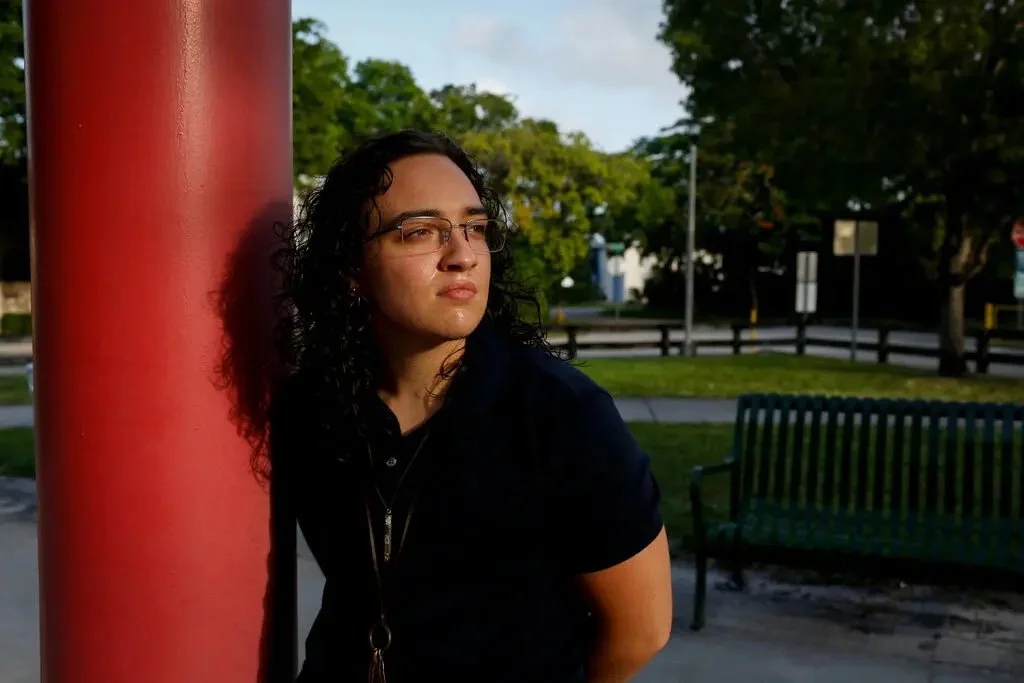
Washington University’s youth gender clinic in St. Louis, like others around the world, was overwhelmed by new patients and struggled to provide them with mental health care.
-
![]()
Halting Progress and Happy Accidents: How mRNA Vaccines Were Made
The stunning Covid vaccines manufactured by Pfizer-BioNTech and Moderna drew upon long-buried discoveries made in the hopes of ending past epidemics.
-
![]()
Lab Leak or Not? How Politics Shaped the Battle Over Covid’s Origin
A lab leak was once dismissed by many as a conspiracy theory. But the idea is gaining traction, even as evidence builds that the virus emerged from a market.
-
![]()
These Teens Developed Tics from Watching TikTok. Then They Got Better.
A wave of teenagers who developed tics during the pandemic has receded, illustrating the powerful influence of stress on the body and the resilience of adolescents.
-
![]()
More Transgender Teenagers Are Choosing ‘Top Surgery’
Small studies suggest that breast removal surgery improves transgender teenagers’ well-being, but data is sparse. Some state leaders oppose such procedures for minors.
-
![]()
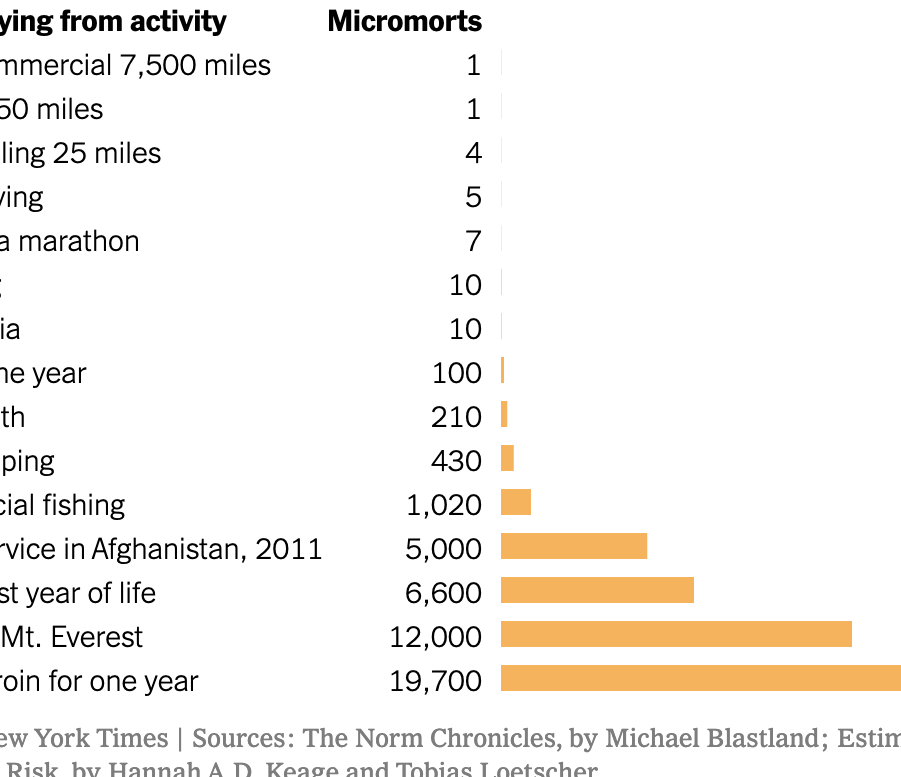
Is Covid More Dangerous Than Driving? How Experts Are Parsing Risks.
The coronavirus remains new enough and its long-term effects unpredictable enough that measuring the threat posed by an infection is a thorny problem.
-
![]()
Doctors Debate Whether Trans Teens Need Therapy Before Hormones
Clinicians are divided over new guidelines that say teenagers should undergo mental health screenings before receiving hormone therapy or gender surgeries.


Writing: Features
-
![]()
Brave Little Worriers
Exposure therapy, a gold-standard treatment for phobias and anxieties, encourages young people to follow an old and simple dictum: Face your fears. The New York Times
-
![]()
Newton's Unsolved Murders
Forensic genealogy helped nab the Golden State Killer. Now investigators across the country are using it to revisit hundreds of unsolved crimes. The New York Times
-
![]()
A Brutal Inheritance
Commercial DNA tests showed that Hiram and Bruce were related. But their link proved to be much deeper — and darker — than either could have imagined. BuzzFeed News
-
![]()
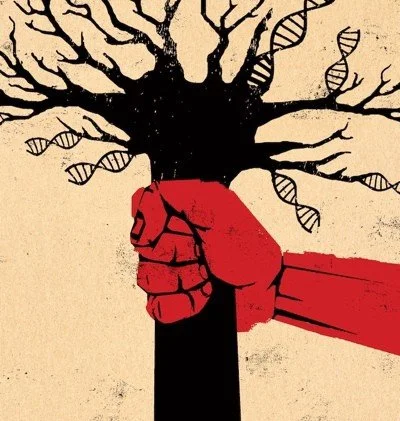
Uprooted
Ancestry tests can unearth infidelities, sperm donations and adoptions of your parents and grandparents. Family secrets have never been more vulnerable. Matter
-
![]()
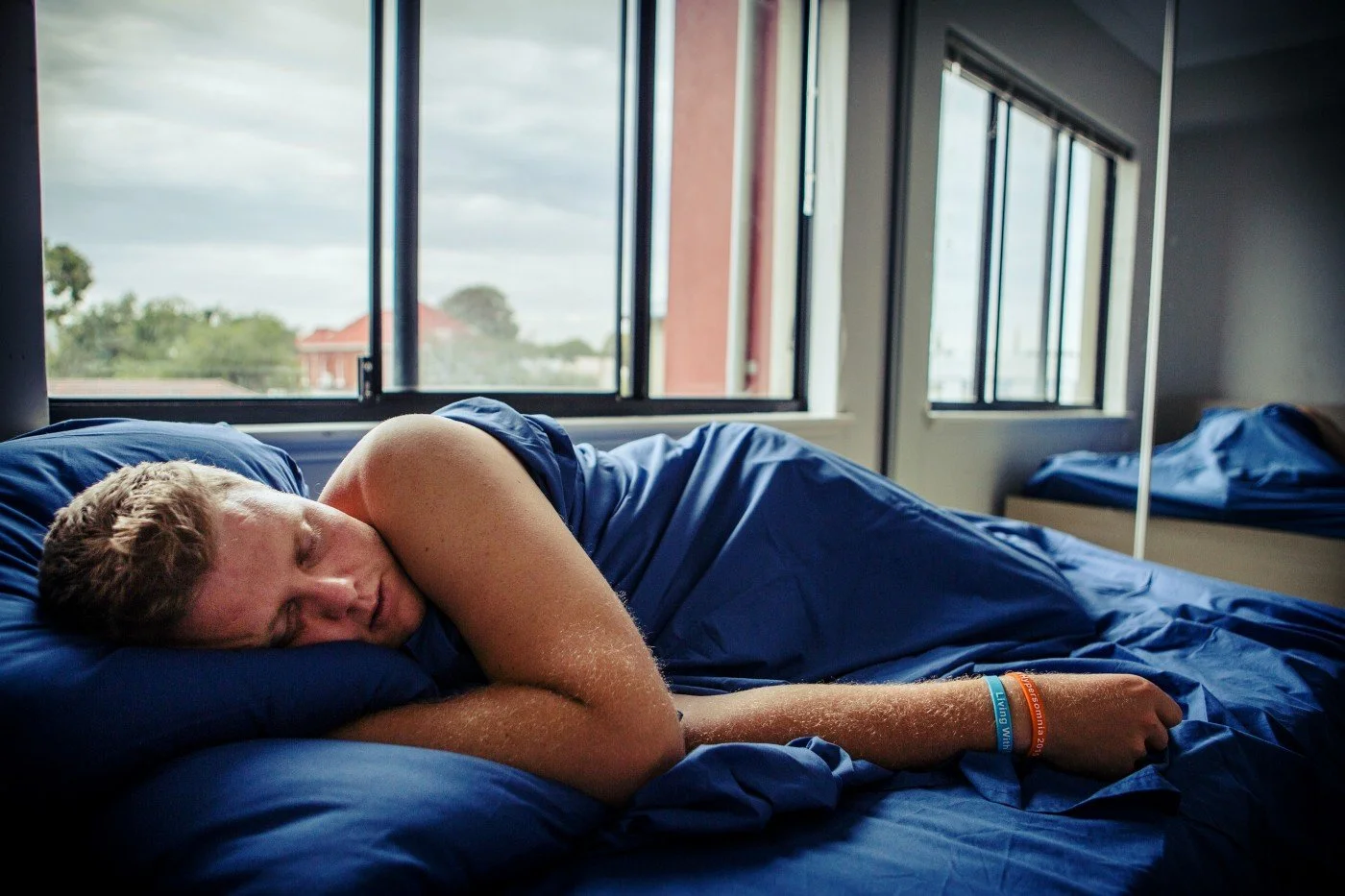
Wake No More
What if you could sleep 50 hours straight and still never feel truly awake? Welcome to the bizarre, distressing, and totally exhausting world of the hypersomniac. Matter


Writing: Essays & Reviews
-
![]()
Does It Make Sense to Call Anyone ‘Normal’?
A review of “Nobody’s Normal: How Culture Created the Stigma of Mental Illness.” The New York Times
-
![]()
That Time I Vented To A Relentlessly Positive Chatbot
Enjo is built on the questionable science of “positive psychology.” So why did I get something out of it? BuzzFeed News
-
![]()
I Asked My Mom Why She Didn't Vaccinate Me
Her answer shows the power of a trusted doctor. “I was pro-vaccines, really, until Dr. Taylor.” BuzzFeed News
-
![]()
Learning Our Roots
A review of “The Invisible History of the Human Race: How DNA and History Shape Our Identities and Our Futures.” The New York Times
-
![]()
Death's Eternal Logistics
Why would anybody choose this strange little cemetery as their cause célèbre? What’s the point? The Last Word On Nothing
-
![]()
Down the Rabbit Hole
A review of “Reaching Down the Rabbit Hole: A Neurologist Explains the Mystery and Drama of Brain Disease.” The New York Times




P.S. I also make cookies


